


-

Add: HeBei ShengShi HongBang Cellulose Technology CO.,LTD.
-

Email
13180486930@163.com -

CONTACT US
+86 13180486930
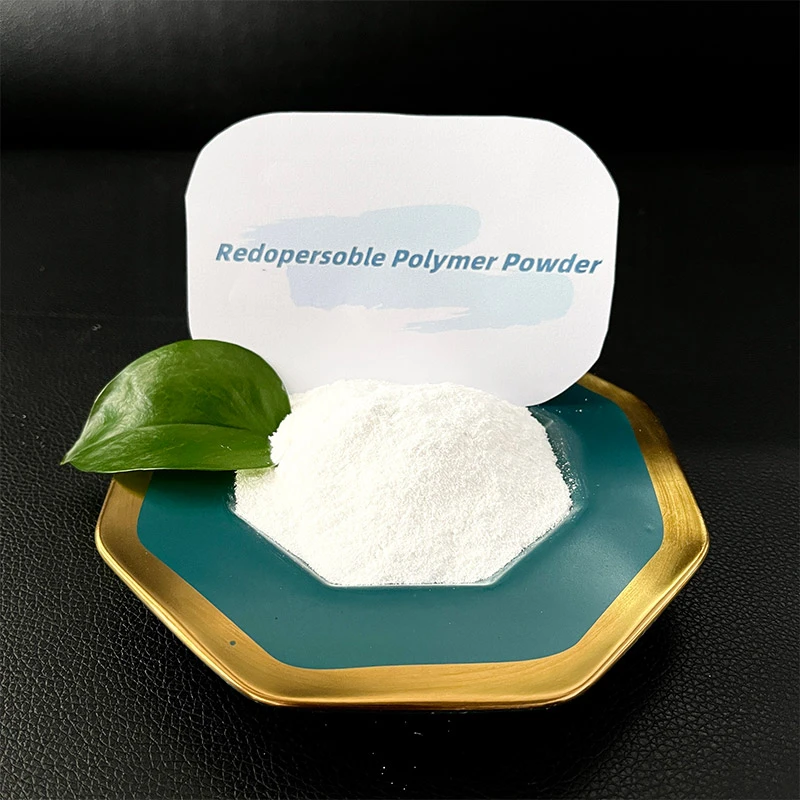

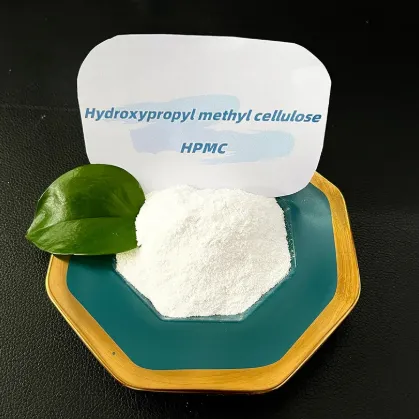
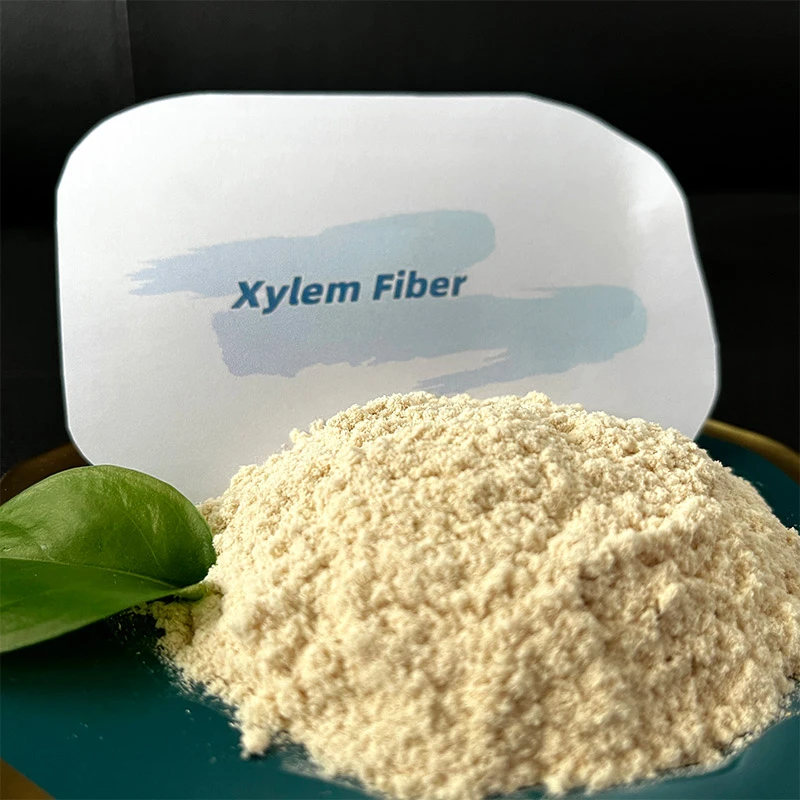
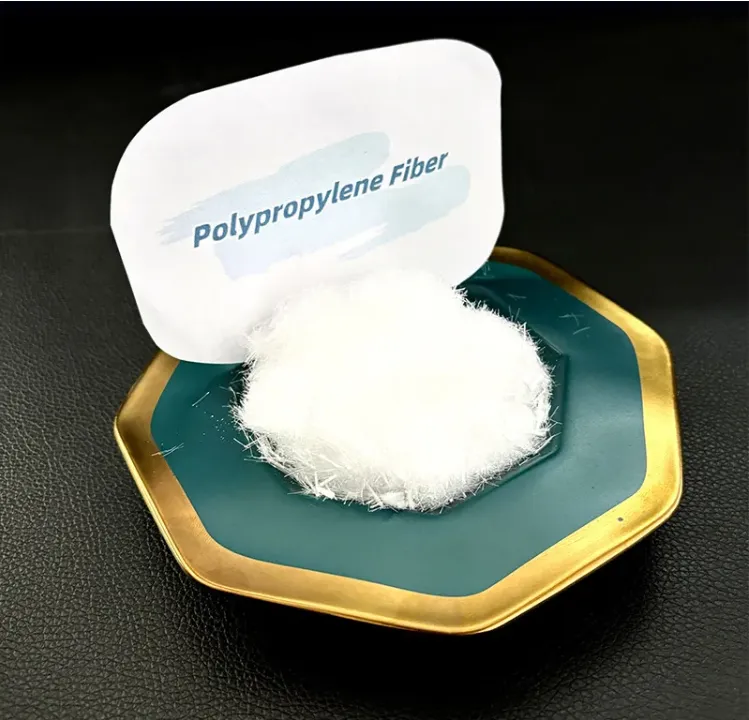


Гидроксипропилметилцеллюлоза (гипромеллоза) капсулы становятся все более популярными на мировом рынке благодаря своим многочисленным преимуществам в сравнении с традиционными капсулами, изготовленными из желатина. Гипромеллоза - это полимер природного происхождения, который делает эти капсулы более устойчивыми и экологически чистыми. Давайте более подробно рассмотрим преимущества и динамику рынка HPMC капсул, опираясь на реальный опыт, экспертное мнение и данные исследований. Рынок капсул из гипромеллозы значительно вырос в последние годы, и прогнозы указывают на дальнейший рост в связи с увеличением спроса на растительные альтернативы в фармацевтической и пищевой промышленности. Все большее количество потребителей переходит на веганский образ жизни, что способствует увеличению спроса на растительные продукты, в том числе и капсулы. В связи с этим, производители в сфере капсул переходят на использование гипромеллозы, которая удовлетворяет эти новые потребности. Экспертные исследования показывают , что капсулы из гипромеллозы обладают рядом преимуществ. Они характеризуются высокой стабильностью относительно различных условий окружающей среды, таких как температура и влажность. Это свойство делает их особенно подходящими для доставки активных веществ, которые могут быть нестабильны в капсулах из животного желатина. Помимо этого, капсулы HPMC являются безопасными для широкой целевой аудитории, включая людей с различными диетическими ограничениями, такими как веганы, вегетарианцы и те, кто страдает аллергией на определенные компоненты животного происхождения. Они также гипоаллергенные, что делает их более привлекательными на рынке с точки зрения безопасности и толерантности. Рыночная экспертиза показывает, что инновации в производственных процессах HPMC капсул ускоряют их адаптацию в фармакологии и в сфере спортивного питания. Процесс производства более экологичен, что привлекает внимание компаний, стремящихся к устойчивому развитию. Такие изменения, как снижение выбросов углерода и уменьшение зависимости от животных источников, добавляют HPMC капсулам репутацию экологически безопасного выбора. Рынок капсул HPMC Авторитетные агентства по контролю качества и безопасности продуктов одобряют гипромеллозные капсулы, подтверждая их неоспоримую пользу и безопасность. Все больше исследовательских учреждений подтверждают их эффективность в доставке лекарственных средств, что создает дополнительный доверие к этому продукту среди медицинских работников и конечных потребителей. На данный момент существует несколько ключевых игроков на рынке, активно продвигающих и внедряющих продукты на основе гипромеллозы. Эти компании делают акцент на инновационные методологии производства, обеспечивая тем самым высокое качество и соответствие международным стандартам. Потребительское доверие к HPMC капсулам постоянно растет, благодаря чему они становятся не только популярным выбором среди пользователей, но и надежным партнером для врачей и фармакологов. Фактические данные потребительских опросов говорят о положительном восприятии и большей удовлетворенности данным продуктом. Таким образом, рынок капсул из гипромеллозы продолжает активно развиваться, предъявляя высокие стандарты качества и безопасности. Основанный на экспертных знаниях, доверии и длительном опыте пользователей и производителей, он обещает оставаться устойчивым трендом в мире капсул.
- 40000tons

Production
- 20+years

Experience
- 5000+㎡

Acreage

-
Hydroxymethyl cellulose , often encountered in its more prevalent derivative form hydroxypropyl methylcellulose , represents a cornerstone of modern construction chemistry. Derived from natural cellulose through etherification, this non-ionic, water-soluble polymer exists as a white, odorless, and tasteless powder. Its unique properties – exceptional water retention, thickening capability, adhesion enhancement, and workability modification – make it indispensable in numerous building materials. While often used interchangeably in construction contexts, hpmc cellulose typically offers superior performance in critical areas like enzyme resistance, temperature stability, and consistent viscosity development compared to basic hydroxymethyl cellulose . Understanding the fundamental chemistry and rheology of these cellulose ethers is paramount for optimizing their use in demanding construction environments, where controlling water dynamics and paste consistency directly impacts final product quality and application efficiency. Core Functions of hpmc Cellulose The primary value of hydroxypropyl methylcellulose lies in its multifaceted functionality within cementitious and gypsum-based systems: Unmatched Water Retention: This is arguably HPMC cellulose 's most critical attribute. By significantly slowing the rate of water loss to the substrate and atmosphere, it ensures sufficient water remains available for the complete hydration of cement or setting of gypsum. This prevents premature drying, minimizes plastic shrinkage cracking, enhances ultimate strength development, and improves bond strength to substrates. Poor water retention leads to weak, dusty surfaces and poor adhesion. Rheology Modification & Workability Enhancement: hpmc cellulose acts as a highly efficient thickener and rheology modifier. It imparts desirable consistency to mortars and plasters, improving sag resistance on vertical surfaces, reducing splattering during application, and enhancing toolability. The viscosity grade of the hydroxypropyl methylcellulose selected directly influences the final mix rheology. Air Entrainment: The incorporation process of hpmc cellulose often introduces a controlled amount of minute, stable air bubbles into the mix. This micro-air improves workability further, enhances cohesion, reduces density, and can improve freeze-thaw resistance in exterior applications. However, excessive air entrainment must be avoided as it compromises strength. Adhesion Promotion: hpmc cellulose films formed at interfaces enhance the adhesive bond between the applied material and the substrate, as well as improving cohesion within the material itself. Retardation: By forming a film around cement particles and reducing water availability, hpmc cellulose can slightly retard the setting time, extending open time for application and adjustment, particularly crucial in tile adhesives and large renders. Optimizing Hydroxypropyl Methylcellulose Selection and Dosage Selecting the right hydroxypropyl methylcellulose grade and dosage is not arbitrary; it requires careful consideration of the specific application and desired performance profile: Viscosity Grade: hpmc cellulose is available in a wide range of viscosity grades. Lower viscosity grades are often used in self-leveling compounds or where high flow is needed. Medium viscosity is common for tile adhesives and standard renders. High viscosity grades provide excellent sag resistance in thick-bed mortars, plasters, and exterior insulation finishing systems base coats. Hydroxypropyl Substitution Ratio: The ratio of methyl to hydroxypropyl groups on the cellulose chain influences key properties. Higher methyl substitution generally improves water solubility. Higher hydroxypropyl substitution enhances thermal gelation temperature (critical for hot weather application) and improves enzyme resistance in cementitious systems. Most construction-grade hpmc cellulose balances these substitutions for optimal performance. Particle Size and Modification: Finer powders dissolve faster but may be dustier. Surface-treated hpmc cellulose powders offer delayed dissolution ("lump-free" mixing) and are highly preferred for dry-mix mortars added to mixers with water. FAQs about hpmc Cellulose What causes slow strength development in my HPMC-modified mortar? Slow strength gain is most commonly linked to excessive dosage of hydroxypropyl methylcellulose . While HPMC provides essential water retention and workability, overdosing significantly retards the hydration of cement by physically coating particles and limiting water access. Carefully review and reduce the hpmc cellulose dosage according to formulation guidelines and application needs. Ensure environmental conditions (especially low temperature) aren't the primary cause. Verify cement quality and freshness. Why is my hpmc cellulose render cracking shortly after application? Plastic shrinkage cracking in renders is primarily due to rapid water loss before the material gains sufficient strength. This indicates insufficient water retention capacity. Check that you are using an adequate type and dosage of hpmc cellulose , specifically chosen for its high water retention performance suitable for renders. Ensure the substrate wasn't overly absorbent and wasn't pre-wetted correctly. Applying in hot, dry, or windy conditions without adequate protection (sun/wind screens) will exacerbate this issue, even with good hydroxymethyl cellulose derivatives. How do I prevent lump formation when mixing hpmc cellulose ? Lumps occur when hpmc cellulose powder hydrates too quickly on the surface, trapping dry powder inside. The solution is twofold:Always pre-blend the dry hydroxypropyl methylcellulose powder thoroughly with the other dry ingredients (cement, sand, filler) before adding water. This dilutes it and prevents clumping. Crucially, use surface-treated (delayed solubility) hpmc cellulose grades. These are chemically modified to dissolve gradually, allowing time for dispersion before thickening occurs, virtually eliminating lumps even if added directly to water under agitation. Ensure adequate mixing energy and time. Can I use hpmc cellulose in hot weather? Yes, but job site practices are essential. Standard hydroxypropyl methylcellulose solutions thicken significantly and can even gel as temperature rises. For hot climates or summer application, specify hpmc cellulose grades engineered with a high thermal gelation temperature . These maintain viscosity stability and workability much better under heat. Additionally, store materials in the shade, use cool mixing water if possible, schedule work during cooler parts of the day, and protect applied materials from direct sun and wind to slow evaporation. Is hpmc cellulose compatible with other admixtures? Generally, hydroxypropyl methylcellulose exhibits good compatibility with most common construction admixtures like superplasticizers, air-entraining agents , retarders, and accelerators. However, interactions can occur. For instance, some superplasticizers might slightly reduce the viscosity imparted by hpmc cellulose . Some retarders might have synergistic or antagonistic effects. Air-entraining agents combined with hpmc cellulose can sometimes lead to higher than desired air contents. Always conduct small-scale compatibility tests when formulating with multiple admixtures. Add admixtures sequentially according to manufacturer recommendations, often adding hpmc cellulose early in the dry blend and liquid admixtures to the mix water. Mastering the use of hydroxymethyl cellulose and its advanced counterpart, hydroxypropyl methylcellulose , is fundamental to achieving high-performance, durable, and workable building materials. From the crucial water retention that safeguards against cracking and ensures full hydration, to the rheological control enabling smooth application and sag resistance, hpmc cellulose acts as a vital multifunctional modifier. Success hinges on selecting the appropriate grade and dosage for the specific application—whether it's a high-sag-resistance plaster, a highly retarded tile adhesive, or a fluid self-leveling compound. Adherence to proper mixing protocols, awareness of environmental conditions, and understanding substrate requirements are equally critical. By addressing common challenges through informed choices and practices, as highlighted in the FAQs, formulators and applicators alike can consistently leverage the unique properties of hpmc cellulose to produce superior construction results, enhancing both the efficiency of the building process and the longevity of the finished structure. The versatility and effectiveness of hydroxypropyl methylcellulose cement its indispensable role in modern, high-quality construction chemistry.
-
Hydroxypropyl methylcellulose (HPMC) and carboxymethyl cellulose (CMC) are two of the most widely used cellulose derivatives in various industries, including pharmaceuticals, food production, and construction materials. Understanding the distinctions between these two compounds can significantly enhance product formulation and application efficiency . HPMC and CMC share a common cellulose backbone, but the chemical modifications and substituted groups differentiate their properties and functionalities. Hydroxypropyl methylcellulose is modified by the addition of methoxy and hydroxypropoxy groups. These chemical modifications impart valuable properties like thermal gelation, water retention, and film-forming capabilities, making HPMC ideal for use in tile adhesives, pharmaceuticals, and food products. On the other hand, carboxymethyl cellulose is primarily characterized by the carboxymethyl groups attached to the cellulose backbone. This gives CMC its high viscosity, excellent water solubility, and emulsifying properties. Such characteristics make CMC particularly useful as a thickener and stabilizer in sauces, dressings, and other culinary products as well as in personal care items like toothpaste and lotions. In terms of application in the pharmaceutical industry, HPMC is favored due to its high thermal gelation properties and its ability to function as a release rate controller in oral medicines. HPMC’s safety and inertness make it an excellent choice for use in sustained-release tablet formulations. This ability to effectively modulate drug release profiles significantly contributes to patient compliance and therapeutic efficacy. Furthermore, HPMC’s film-forming capabilities are essential in the coating of tablets, imparting stability and aesthetics while ensuring functionality. Conversely, CMC is instrumental in the formulation of liquid pharmaceuticals where thickening and stability are required. Its high viscosity makes it an ideal candidate for suspensions and liquid syrups, where even distribution and homogeneity of the active ingredient are crucial. difference between hpmc and cmc In the food industry, HPMC proves to be an invaluable tool where thermal gelation and fat reduction are desired without compromising texture. For example, in low-fat ice creams, HPMC stabilizes the emulsion and provides a creamy texture. CMC, however, is often chosen for baked goods to enhance mouthfeel and improve moisture retention, vital for shelf-life extension. The environmental impact and biodegradability of these cellulose derivatives also play a critical role in their selection for specific applications. Both HPMC and CMC are biodegradable and non-toxic, which align with the growing trend toward environmentally friendly and sustainable products. However, the production processes and raw material sourcing can vary, which may influence the ecological footprint of each product. Professionals in construction also leverage the unique strengths of these compounds. HPMC's ability to retain water and provide smooth application makes it ideal for cement and gypsum-based products, improving workability and performance under various environmental conditions. Meanwhile, CMC’s excellent rheological properties are appreciated in the suspension and stability of paints and coatings. In summary, while HPMC and CMC are both cellulose-derived, their unique chemical structures provide distinct advantages across different sectors. HPMC excels in applications requiring gelation, film formation, and controlled release, whereas CMC is preferred for its viscosity, solubility, and stabilizing properties. Selecting between HPMC and CMC should be guided by specific product requirements, industry standards, and desired characteristics, ensuring that each application achieves optimal performance. Such informed decisions not only enhance product quality but also build trust and credibility, aligning with the modern consumer's demand for transparency and reliability.
advantages
-

200000 Viscosities
Excellent product
We can produce pure products up to 200,000 viscosities
-

40000 tons
High yield
We don’t stop production all year round, and the annual output can reach 40,000 tons
-

24 hours
Quality service
We provide 24-hours online reception service, welcome to consult at any time
———— Inquiry Form
Schedule A services
-
 hydroxypropyl_methyl
Oct . 25, 2025
In the realm of construction and architecture, building coating adhesives have become an essential c -
 polymer_acrylic_powder
Oct . 25, 2025
Different Types of Synthetic Fibers Synthetic fibers have revolutionized the textile industry since -
 hydroxypropyl_starch_phosphate
Oct . 25, 2025
In the construction industry, particularly in regions with extreme weather conditions, freeze-thaw r


